Nowgrodzki Markus Chaim
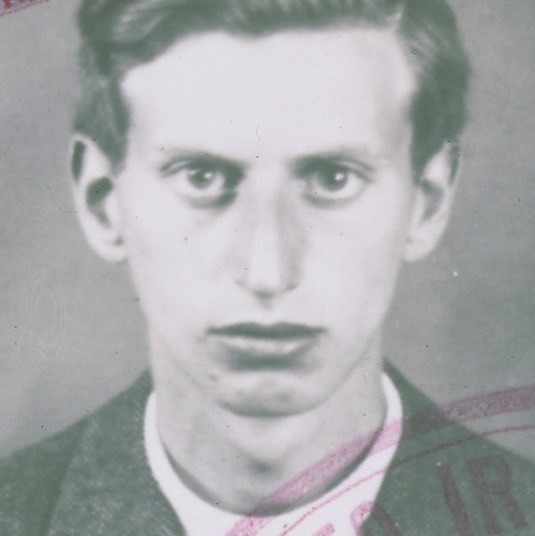
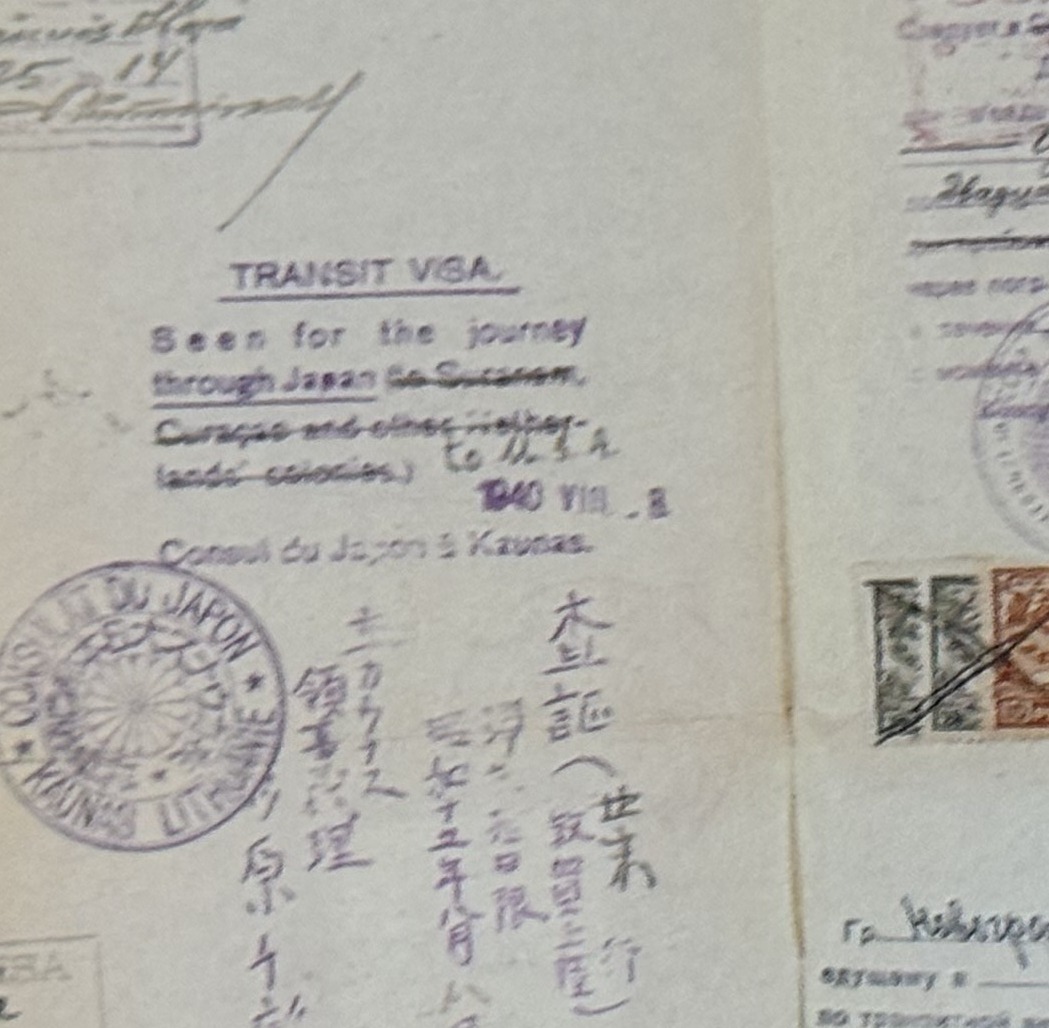
Nowgrodzki Markus Chaim received transit visa no. 1506 at the Japanese consulate in Kaunas on 7 August 1940. The register records student, aged 19.
Documents
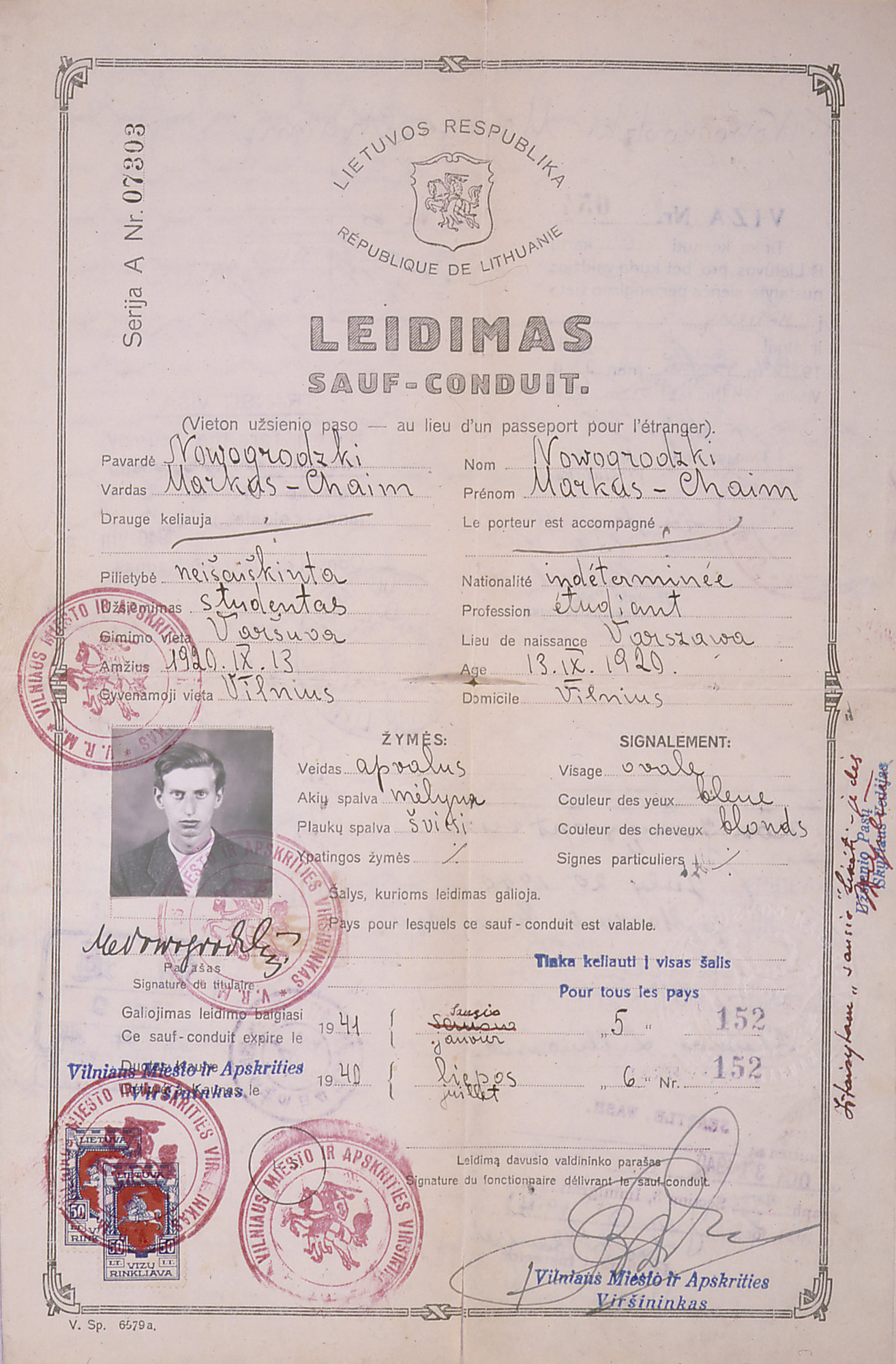
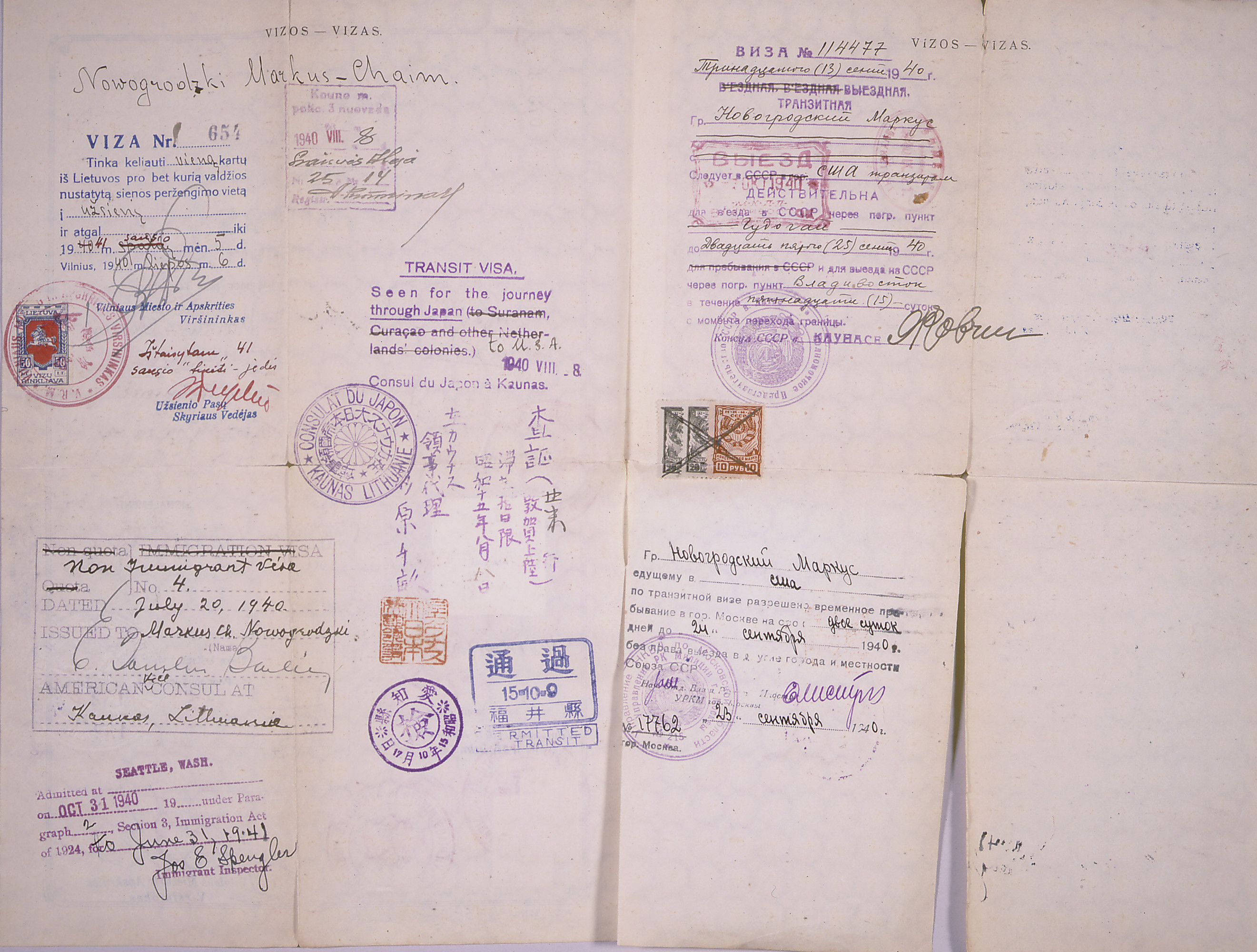
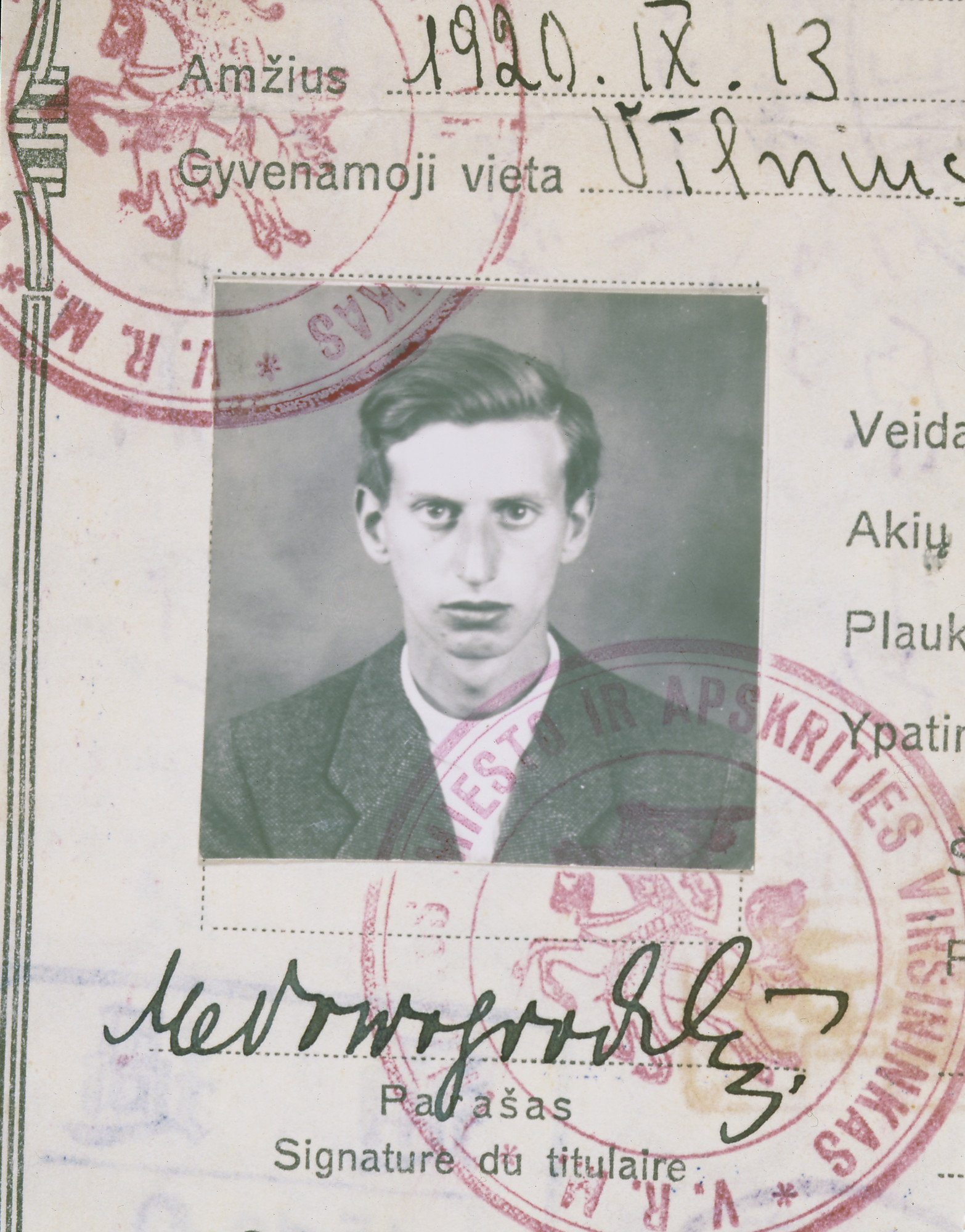
Click a document to see it larger.
What the register records
- Nationality as recorded
- Polnisch
- Age in 1940
- 19
- Occupation
- Student
The journey
Reached Japan; registered in Kobe for USA.
What is known
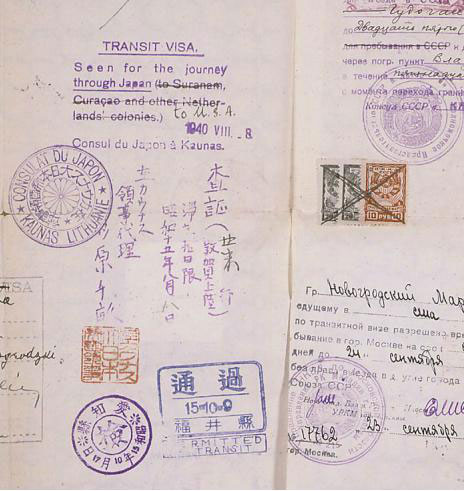
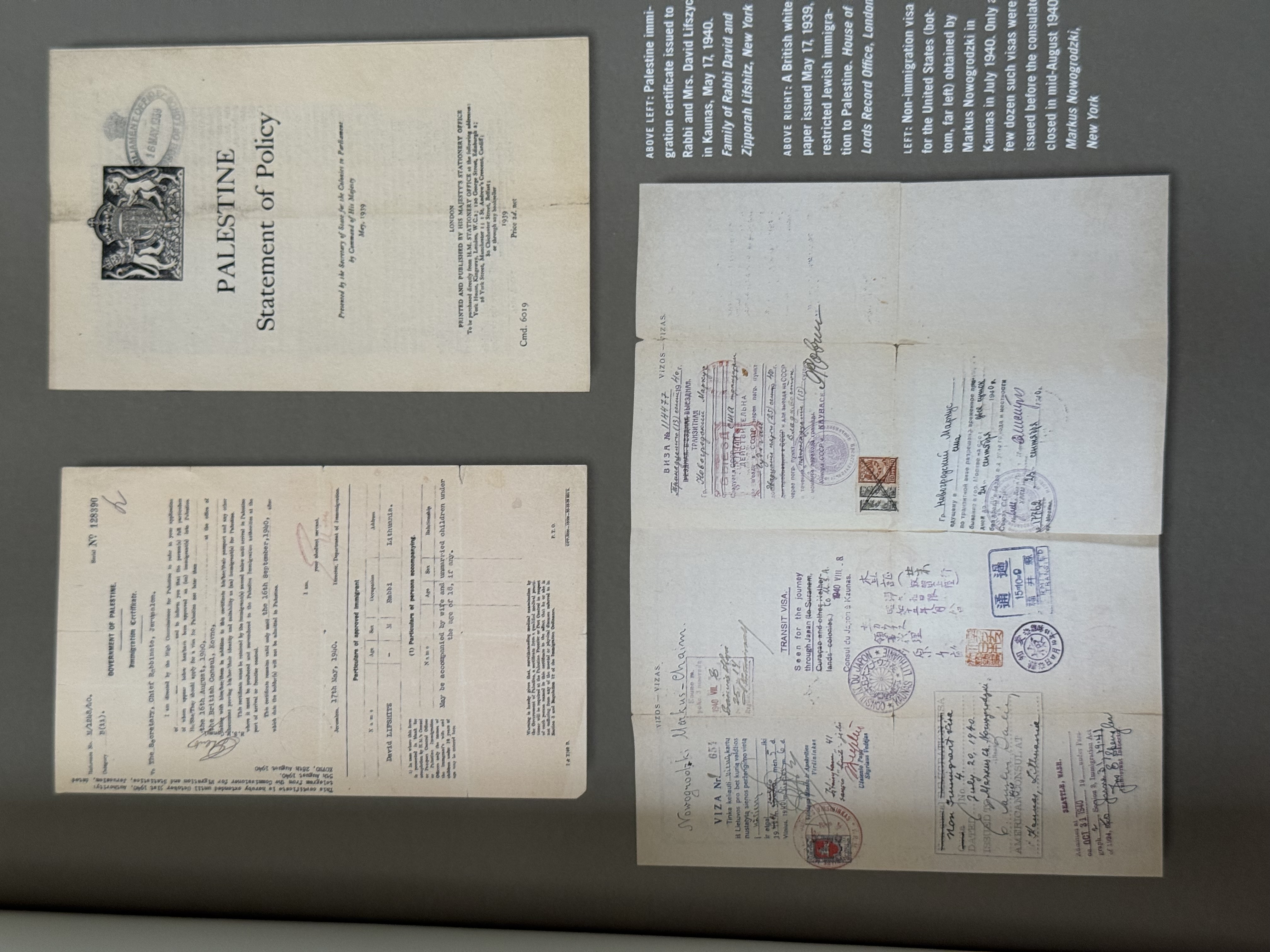
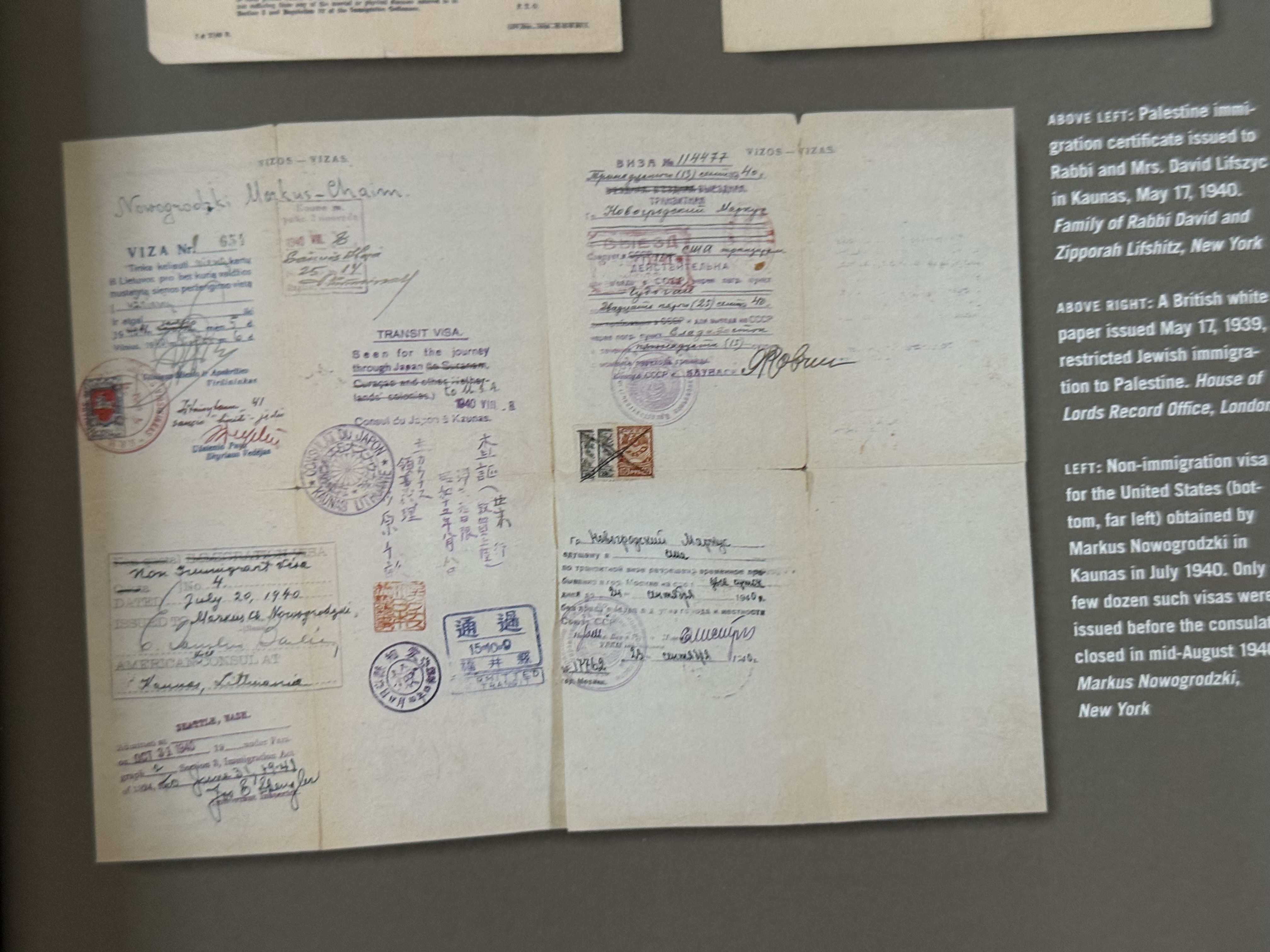
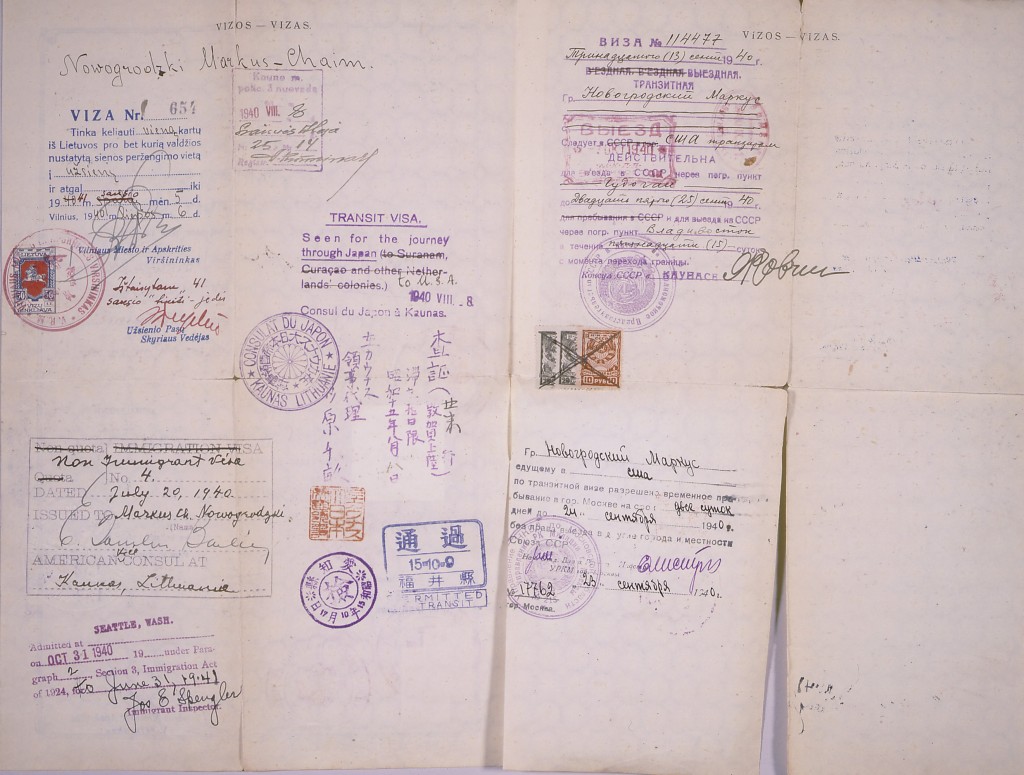
Markus-Chaim Nowogrodzki received a Lithuanian transit visa (No. 654) issued in Kaunas in August 1940, along with a Japanese transit visa signed by the Consul du Japon a Kaunas for the journey through Japan to Suranem (Suriname), Curacao and other Netherlands' colonies, en route to the U.S.A. He also obtained a U.S. non-immigrant visa (No. 4) issued at the American Consul at Kaunas on July 20, 1940, and a Soviet transit visa (No. 114477) for travel through the USSR via Vladivostok. He was admitted at Seattle, Washington on October 31, 1940.
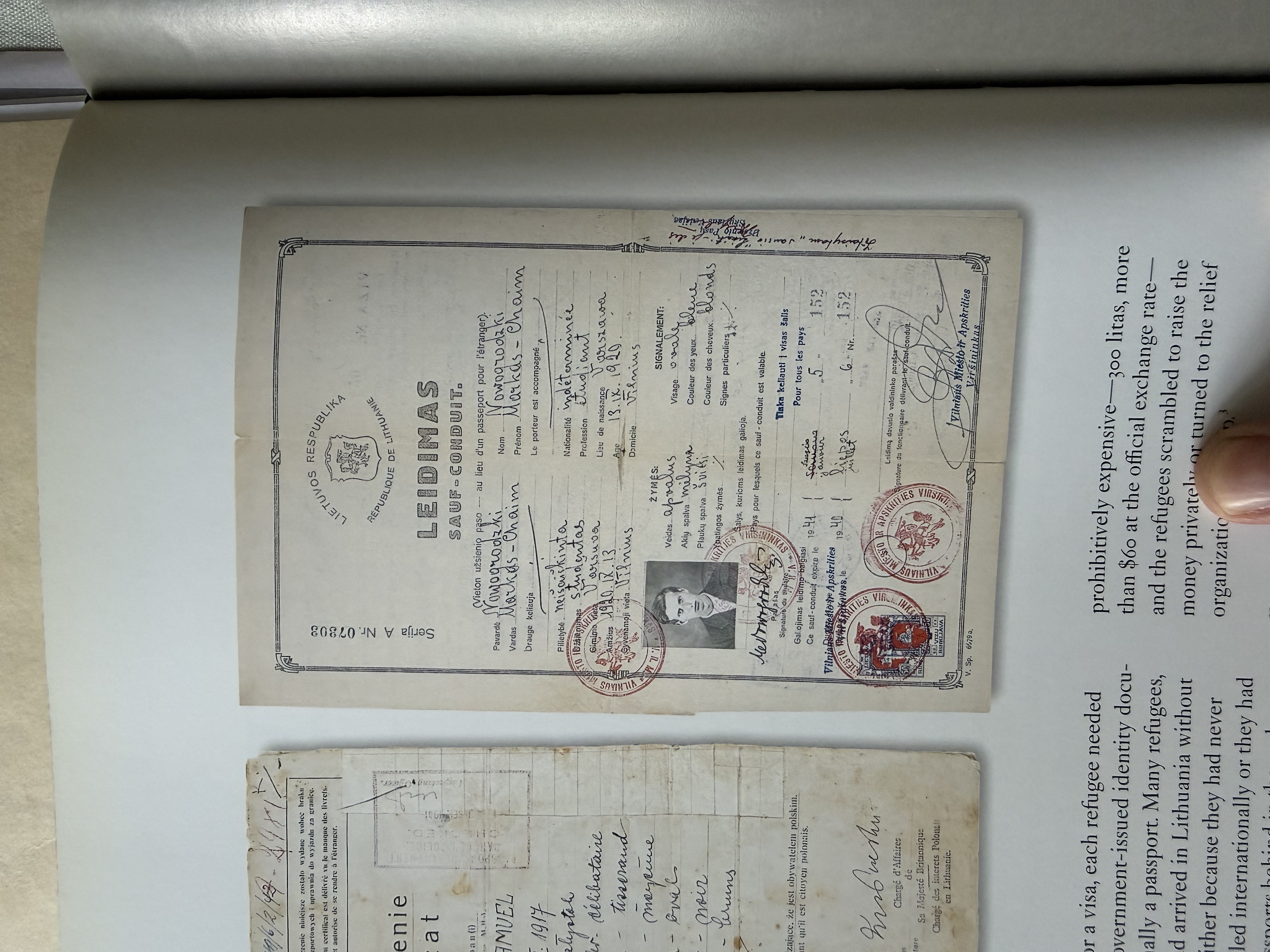
A Lithuanian Republic 'Leidimas / Sauf-Conduit' (safe-conduct in lieu of a foreign passport) issued to Markas-Chaim Nowogrodzki, a student born 13 September 1920 in Warsaw, with undetermined nationality and residing in Vilnius. The document was issued by the Head of Vilnius City and District, valid for all countries, expiring 5 January 1941. It bears his photograph and physical description (oval face, blue eyes, blond hair).
Markus-Chaim Nowogrodzki received a Lithuanian exit visa (Nr. 654, Vilnius) and a Japanese transit visa dated 8 August 1940 from the Japanese Consul at Kaunas, permitting a journey through Japan to the U.S.A. via Curacao and other Netherlands colonies. A Soviet transit visa (No. 114477, dated 13 September 1940) allowed passage through the USSR with exit at Vladivostok, and a non-quota U.S. non-immigrant visa (No. 4, dated July 20, 1940, issued at Kaunas) permitted entry to the United States. He was admitted at Seattle, Washington on October 31, 1940.
Nowogrodzki Markus-Chaim VIZA Nr. 654 Seen for the journey through Japan (to Suranem, Curacao and other Netherlands' colonies.) to U.S.A. Consul du Japon a Kaunas. Non Immigrant Visa No. 4 DATED July 20, 1940 ISSUED TO Markus Ch. Nowogrodzki AMERICAN CONSUL AT Kaunas, Lithuania SEATTLE, WASH. Admitted at on OCT 31 1940 ВИЗА № 114477
LEIDIMAS SAUF-CONDUIT (Vieton užsienio paso — au lieu d'un passeport pour l'étranger) Tinka keliauti į visas šalis / Pour tous les pays Pilietybė neišaiškinta / Nationalité indéterminée Užsiėmimas studentas / Profession étudiant
Nowogrodzki Markus-Chaim TRANSIT VISA. Seen for the journey through Japan (to Suranam, Curacao and other Netherlands colonies.) to U.S.A. 1940 VIII. 8 Consul du Japon a Kaunas. Non Immigrant Visa Quota No. 4. DATED July 20, 1940 ISSUED TO Markus Ch. Nowogrodzki AMERICAN CONSUL AT Kaunas, Lithuania ВИЗА № 114477 PERMITTED TRANSIT Admitted at ... on OCT 31 1940 ... SEATTLE, WASH.
Where this comes from
- "Washington, King, Seattle, Passenger Lists, 1890-1957", FamilySearch — index entry for Markus Chaim Nowogrodzki, 1940: born about 1920, Poland. Digitised from NARA microfilm publication M1383 (passenger and crew lists of vessels arrivin…
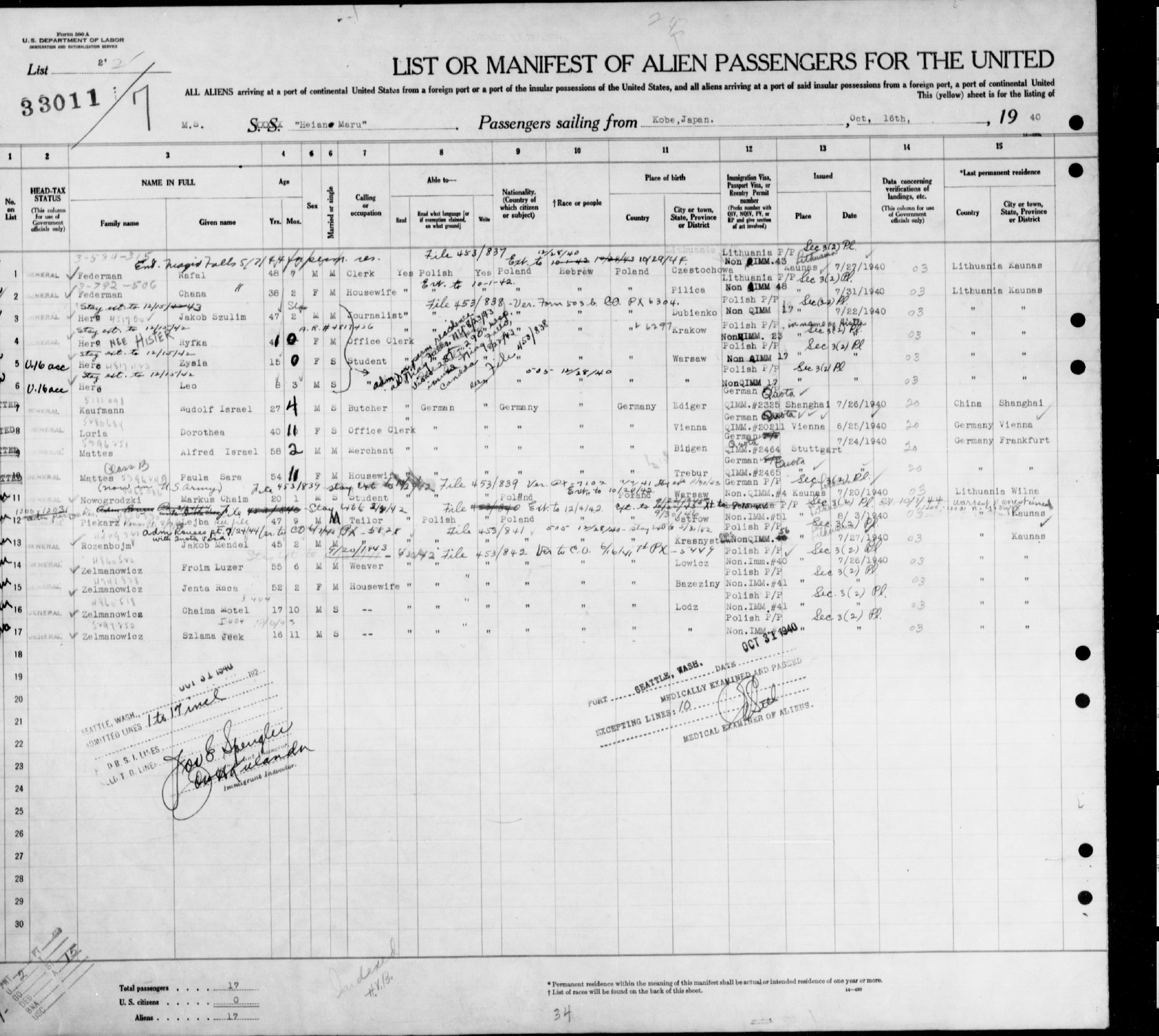
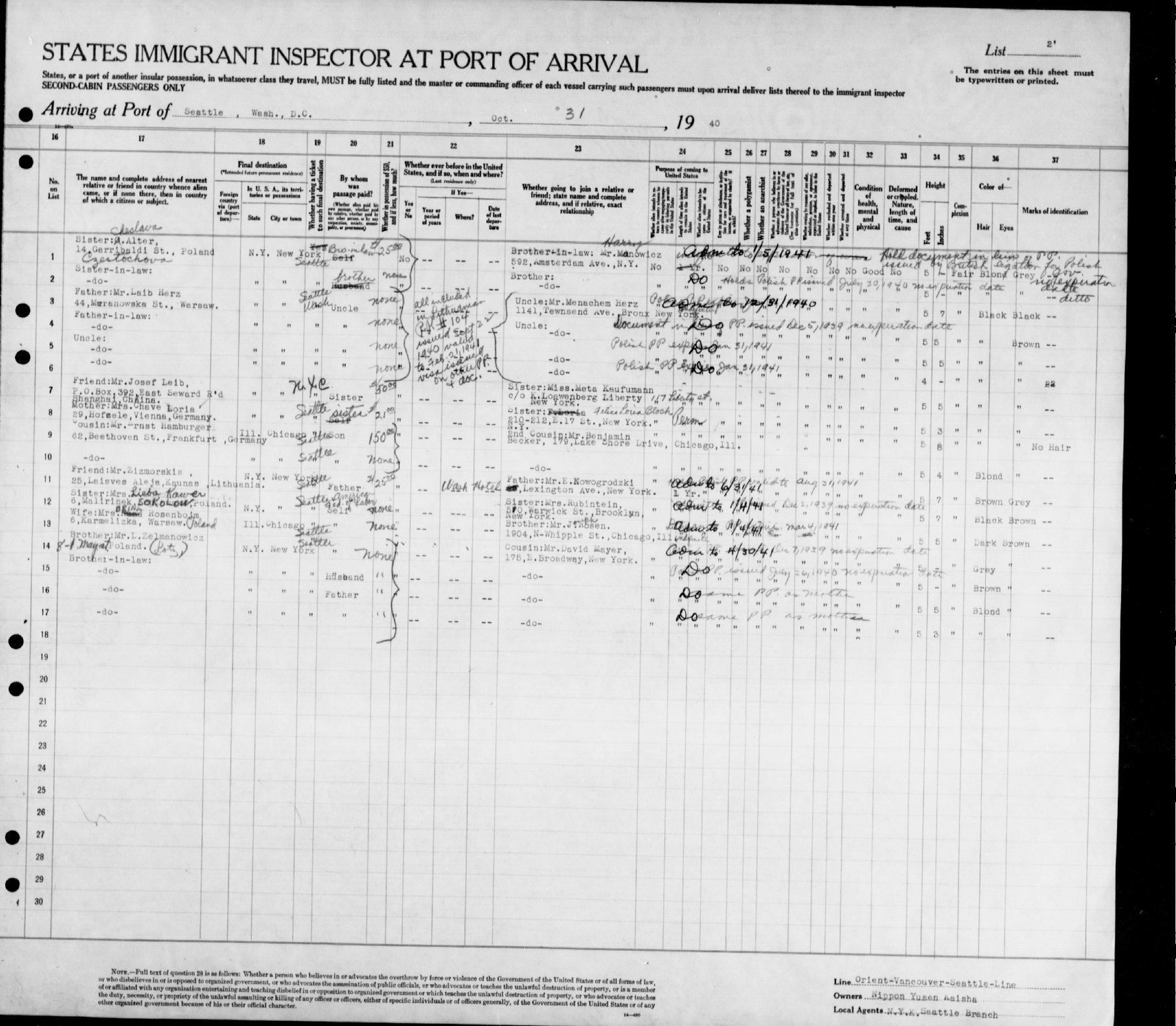
FamilySearch's index of the Seattle passenger lists, read by the archive on 20 September 2026, has Markus Chaim Nowogrodzki, born about 1920 in Poland, arriving at Seattle in 1940. The register's compiled line gives 1921, and the two are 1 year apart. The name occurs once on the register, and a Polish-born passenger landing at Seattle in 1940 fits the route through Japan, so the entry is taken as this person's under the archive's rule of 19 September 2026 for records from the route. - Manifest of alien passengers, SS Heian Maru, sailing from Yokohama 18 Oct 1940, arrived Seattle 31 Oct 1940 (US National Archives, M1383, roll 257; read on FamilySearch's copy)
The National Archives' Seattle passenger list (FamilySearch's copy) shows Markus Chaim Nowogrodzki, 20, a student born in Warsaw, landing at Seattle from Yokohama on the Heian Maru on 31 October 1940 on an American visitor's visa issued in Kaunas in July. He gave Wilno as his last home and was going to his father, E. Nowogrodzki, in New York. - Visa pages of Markus-Chaim Nowogrodzki (No. 1506): a Lithuanian visa No. 654, the Sugihara transit visa of 8 August 1940, an American non-immigrant visa issued at Kaunas on 29 July 1940, and a Soviet exit visa.
- The Sugihara transit visa of Markus-Chaim Nowogrodzki (No. 1506), 8 August 1940, amended 'to U.S.A.', with a Soviet transit visa and a Japanese transit stamp at Fukui.
- Collections Search - United States Holocaust Memorial Museum
- A document held in the archive's files
- Polish Jewish Refugees in Lithuania: Unexpected Rescue, 1940–1941 | Holocaust Encyclopedia
- The Lithuanian sauf-conduit of Markus-Chaim Nowogrodzki (No. 1506), Series A No. 07303, No. 152, issued at Vilnius in 1940, with his photograph.
- Detail of the photograph and signature on the Lithuanian sauf-conduit of Markus-Chaim Nowogrodzki (No. 1506), born 13 September 1920, of Vilnius.
- USHMM Collections N03122.00 (Flight and Rescue loan, courtesy Markus… — Sugihara stamps, two Russian transit visas, US non-immigration visa (Kaunas Jul 1940, one of only a few dozen issued before the consulate closed), Seattle entry stamp
- A book page showing a Palestine immigration certificate issued at Kaunas, the British White Paper 'Palestine: Statement of Policy' of May 1939, and the American non-immigration visa of Markus Nowogrodzki (No. 1506).
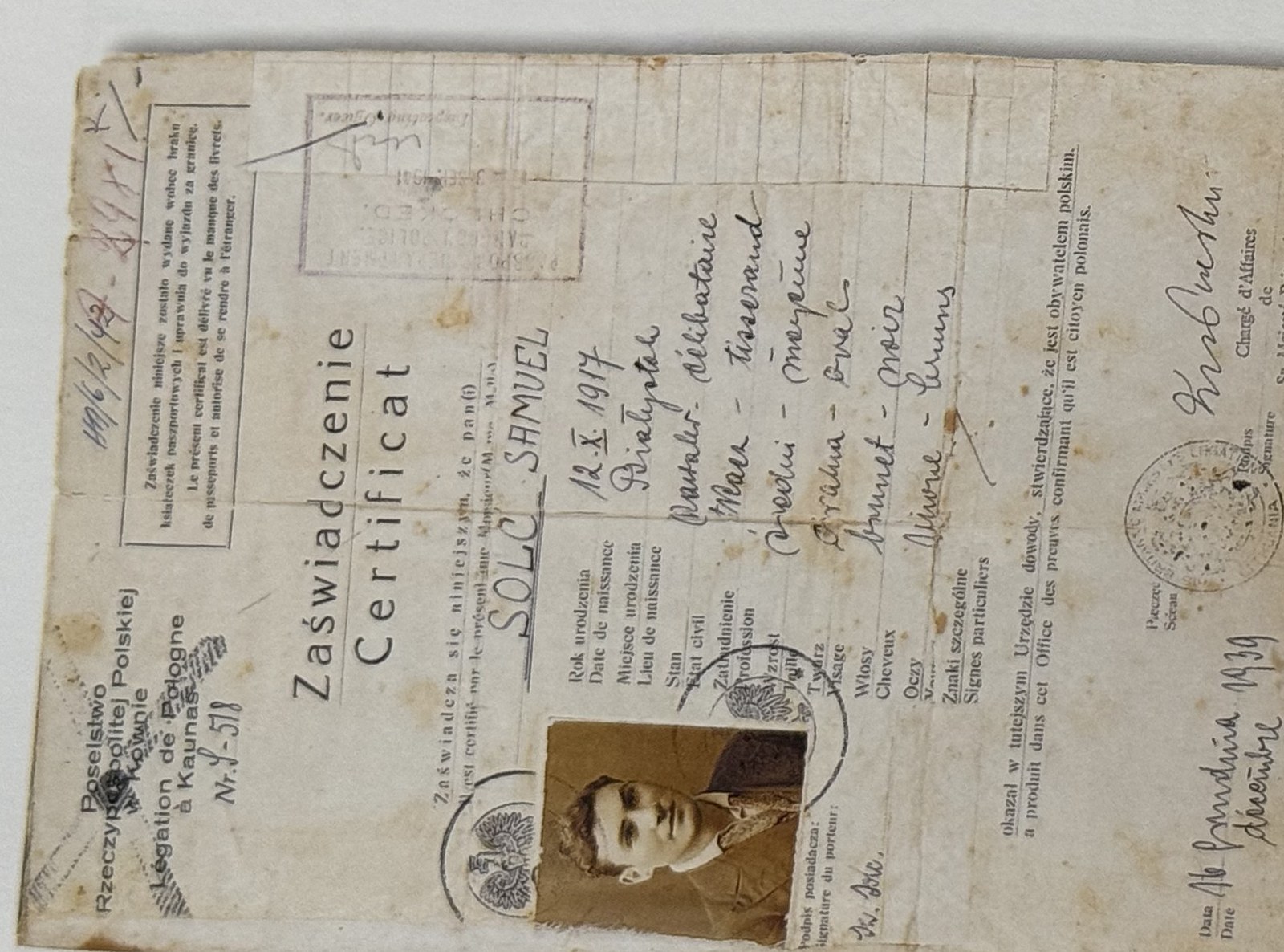
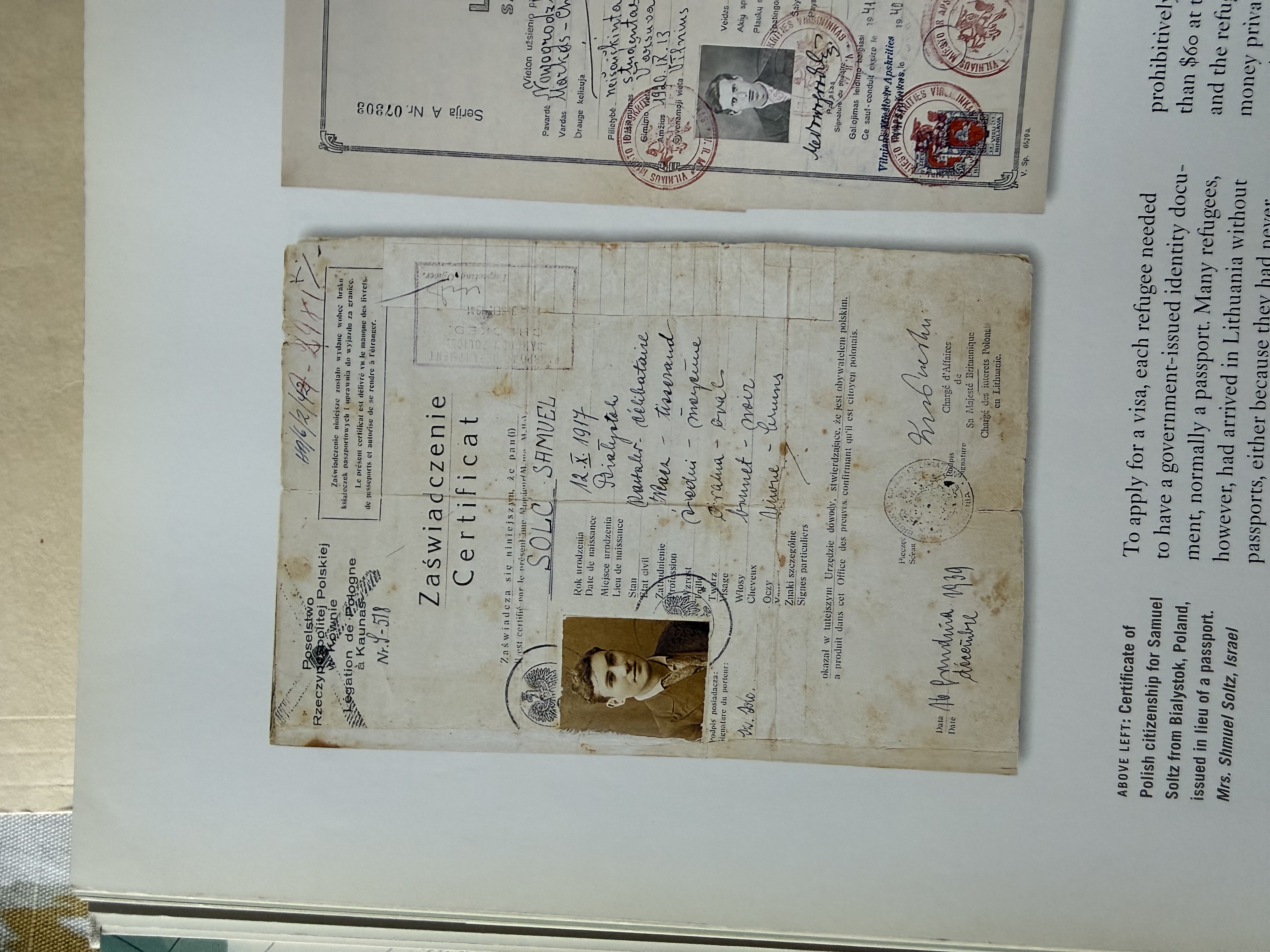
- A book page: the certificate of Polish citizenship of Samuel Soltz of Białystok — a second photograph of the page.
- A book page reproducing Markus-Chaim Nowogrodzki's papers (No. 1506) with his American visa, and its caption.
- A book page reproducing the Lithuanian sauf-conduit of Markus-Chaim Nowogrodzki (No. 1506).
and 5 further records, shown on the full entry.
Open this entry in the full register →